Can You Live in Your NYC Apartment During a Renovation?
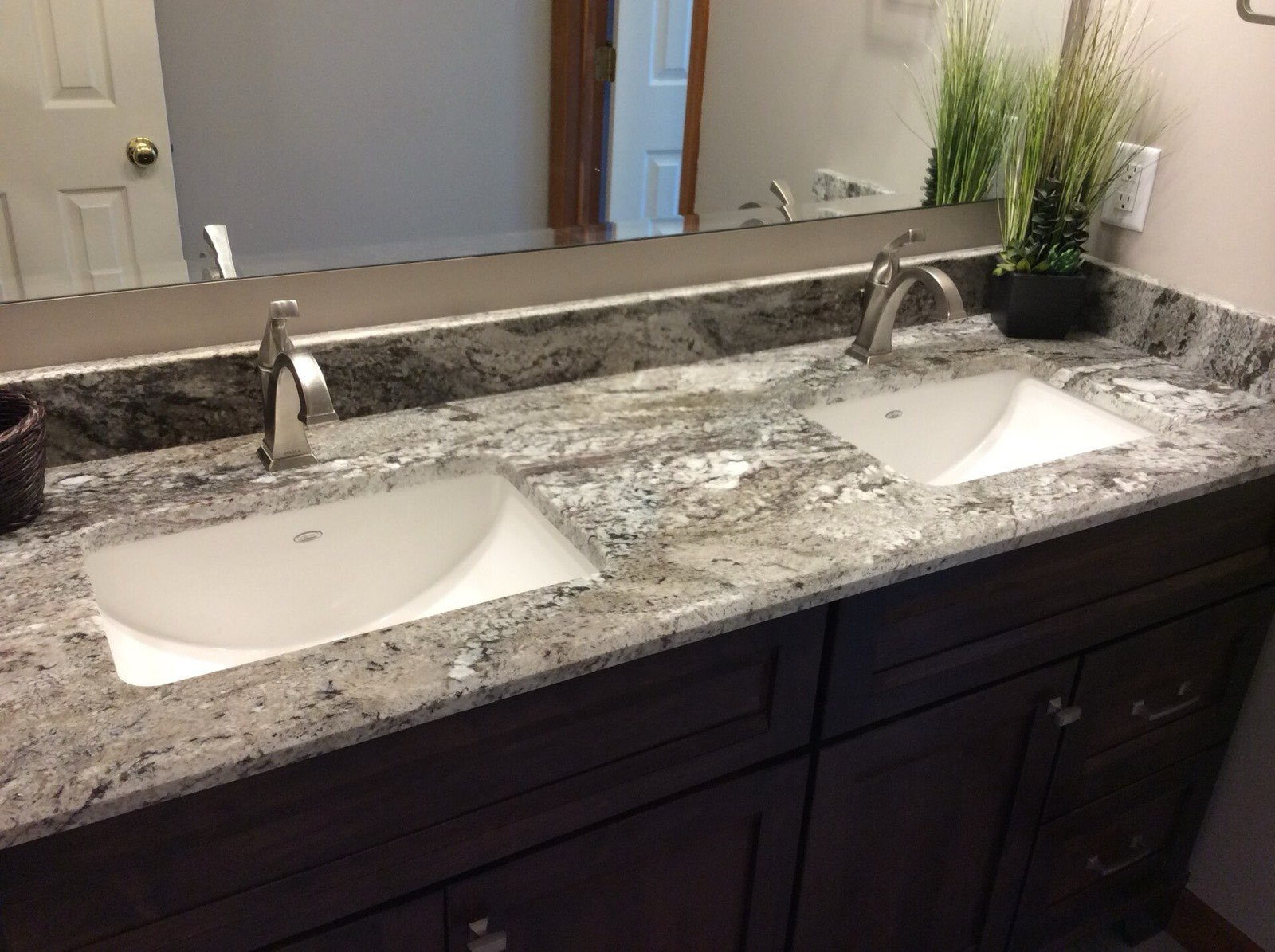
You can often live in an NYC apartment during a kitchen renovation or a renovation of one of two bathrooms, but it is hard during a gut renovation or when your only bathroom is being redone. Dust control, noise during building work hours, scheduled water shut-offs and limited access to your kitchen are the main challenges. Staging the work in phases, setting up a temporary kitchen, and agreeing on regular written updates make it manageable, and many owners who work full-time or travel rely on weekly reports and photos instead of daily visits.
When staying is realistic and when it is not
Whether you can stay depends on how much of the apartment is under construction and whether you keep a working bathroom. A kitchen-only renovation in an apartment with a separate living space is usually livable with some planning. Renovating one bathroom while another remains in use is also common.
A full gut renovation, an apartment combination, or major asbestos abatement usually means moving out. Some co-op and condo buildings also have rules about occupancy during certain work, so check the alteration agreement.
- Usually livable: kitchen remodel, second-bathroom remodel, flooring done room by room, painting.
- Difficult: only-bathroom renovation, whole-apartment flooring, rewiring that affects every room.
- Usually not livable: gut renovation, combination, abatement in living areas.
One-bathroom apartments
Renovating the only bathroom is the hardest case. A full bathroom renovation commonly takes several weeks once work starts, and the toilet and shower will be out of service for much of that time. Options include staying with family or in a short-term rental for the core weeks, joining a gym for showers, or asking the contractor to keep a toilet connected as long as possible and reinstall it quickly.
Ask the contractor for a day-by-day plan for the periods without water fixtures, and plan your stay around them. Waterproofing and tile curing can't safely be rushed, so build in a margin rather than counting on the shortest estimate.
If you have young children, older relatives or pets at home, the case for staying elsewhere during the bathroom's core weeks is stronger still. Even a few days of planned absence around demolition and tiling can make the rest of the project far easier to live with.
Dust and noise
Renovation dust spreads through an apartment quickly. Good contractors seal the work area with plastic barriers and zipper doors, protect floors, cover vents and use air scrubbers or HEPA vacuums. Ask what dust control is included in the proposal; it is often a line item worth paying for.
Noise is concentrated during demolition and certain trades. Building work hours limit when it happens, which helps your evenings but makes daytime work-from-home difficult. If you work at home, ask which days are scheduled for demolition, cutting and drilling, and plan to be elsewhere then.
If the building is older and the work will disturb old paint or materials, ask about lead-safe practices and the asbestos survey results before work begins, especially if children live in the home.
Water shut-offs, neighbors and the building
In many NYC buildings, especially pre-war co-ops without individual shut-off valves, plumbing work requires shutting a riser, which affects neighbors as well as you. Buildings typically require advance notice through the super and limit when shut-offs happen.
Ask the contractor to list planned shut-offs in the schedule. Gas work may involve your range being out of service until the line is inspected and restored, which can take longer than expected in some buildings.
Your renovation affects the people around you, so a short note to neighbors with the expected schedule and a contact number goes a long way. The super is your best ally for elevator access, shut-offs and building logistics; keep them informed and follow the building's rules on work hours, deliveries and hallway protection.
Staging the work so you can stay
Phasing can make a renovation livable. The contractor completes one area before opening another, so you always have a place to sleep, a working bathroom and somewhere to prepare food.
- Set up a temporary kitchen with a microwave, kettle, small fridge and a utility sink or bathroom sink for washing.
- Pack and store belongings from the work zone and adjacent rooms before day one.
- Agree on daily cleanup standards and which entry and path the crew will use.
- Keep valuables, documents and medications out of the work area.
- Confirm who has keys and how access works if you are not home.
Renovating while you work full-time or travel
Many NYC owners renovate while working long hours or living elsewhere for part of the project. That works best when communication is structured rather than ad hoc.
Ask before signing how updates are delivered: a weekly written report covering what was done, what is next, decisions you need to make and any issues found; regular photos or video; and a single named project manager who answers your questions. Agree on how quickly decisions are needed and how change orders are approved remotely, ideally by signed document rather than text message.
Schedule in-person or video walkthroughs at key points: after demolition, before walls are closed (so you can see plumbing and electrical rough-in), and at the punch list stage.
When moving out makes sense
Moving out for part or all of a renovation is not a failure of planning; sometimes it is the simplest way to protect your health, your work and the schedule. Crews work faster in an empty apartment, with no need to clean up for occupants each evening or to keep a bathroom running.
If you are weighing it, compare the cost of a short-term rental against the time saved and the disruption avoided. Ask the contractor how the schedule changes if the apartment is empty, and line up the move-out with the noisiest and least livable phases: demolition, rough plumbing and electrical, and the weeks without a bathroom or kitchen.
Before you leave, tell the super and managing agent who has access while you are away, make sure the contractor has an emergency contact for you, and agree how keys will be handled. Many owners schedule a walkthrough on the day they return, so any damage or unfinished items are noted while the crew is still on site.
Frequently asked questions
Can I stay home during a kitchen renovation in NYC?
Often yes, with a temporary kitchen and good dust control. Expect several weeks without a working kitchen once demolition starts, plus noise during building work hours.
What if my apartment has only one bathroom?
Plan to stay elsewhere, at least for the weeks when the toilet and shower are out of service. Ask the contractor for a day-by-day schedule of those periods.
How do I keep track of a renovation while I am at work all day?
Agree in the contract on weekly written reports with photos, a single project manager, and walkthroughs at key stages such as before walls are closed.
Will my neighbors lose water during my renovation?
Possibly. In buildings without individual shut-off valves, plumbing work can require shutting a riser that serves other apartments. The building usually requires advance notice through the super.
Should I move out for a gut renovation?
Usually yes. A gut renovation removes the kitchen, bathrooms and most finishes at once, and the dust, noise and lack of utilities make living there impractical.